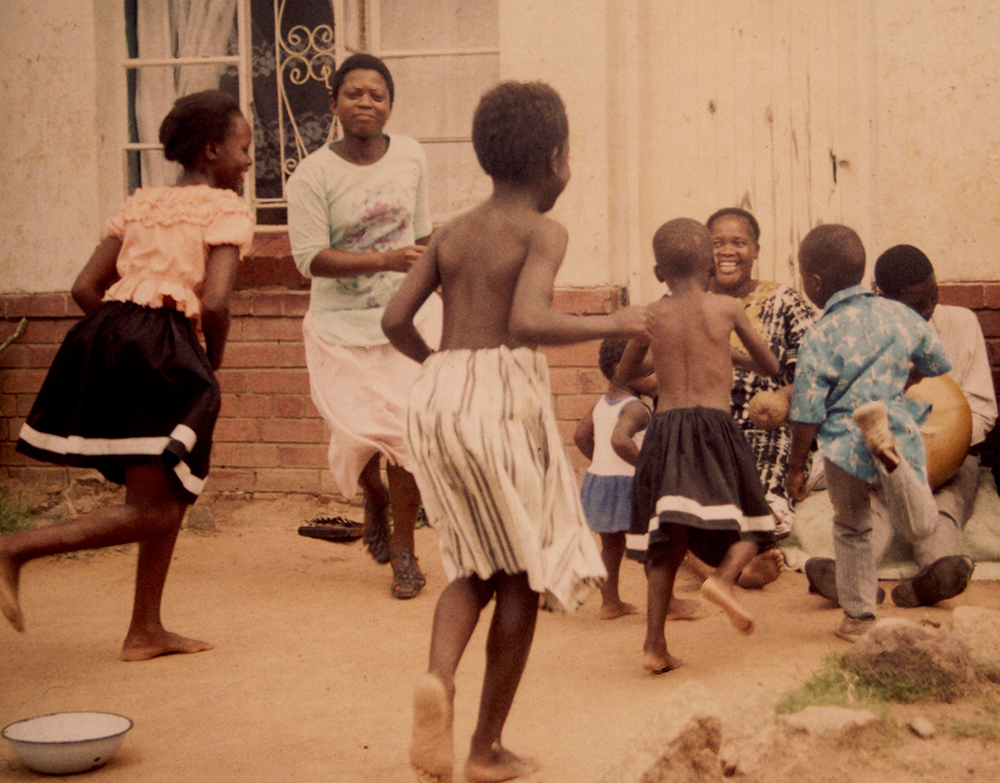
Mbira (the name of both the instrument and the music) is mystical music which has been played for over a thousand years by certain tribes of the Shona people, a group which forms the vast majority of the population of Zimbabwe, and extends into Mozambique. Mbira pervades all aspects of Shona traditional culture, both sacred and secular.
Function of mbira
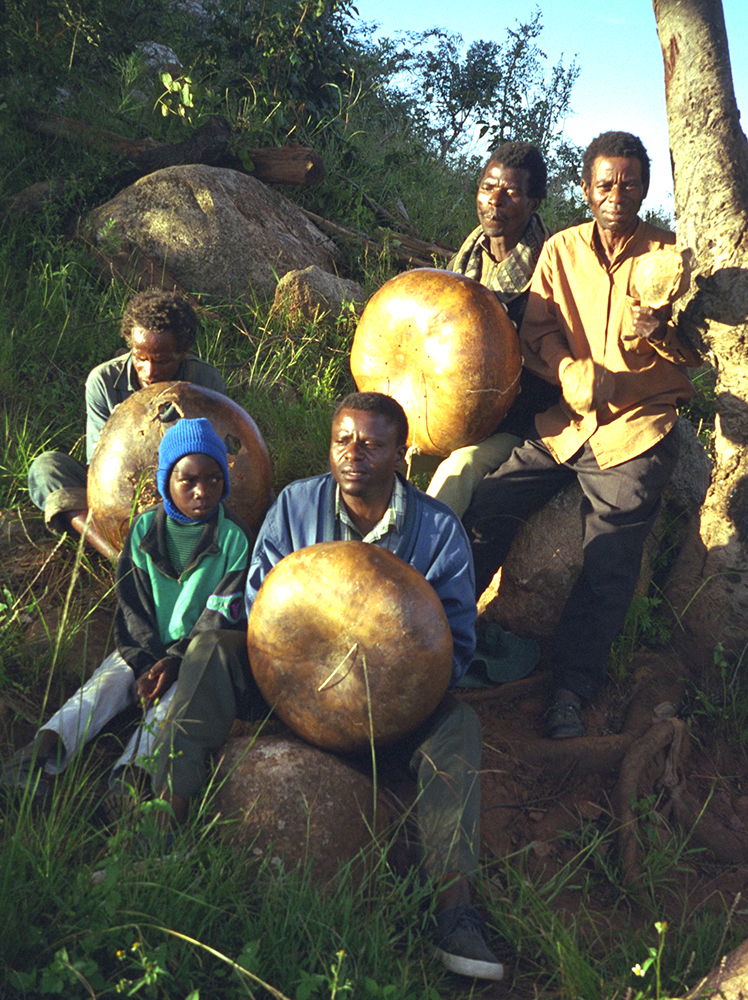
The most important function of mbira is as a “telephone to the spirits”, used to contact both deceased ancestors and even more ancient tribal guardians, at all-night bira (pl. mapira) ceremonies. At these ceremonies, vadzimu, including midzimu (spirits of family ancestors), and mhondoro/makombwe (spirits of deceased chiefs, and very very ancient ancestors, who are the most powerful guardian spirits of the Shona), give guidance on family and community matters and exert power over weather and health.
Mbira is required to ask these spirits to bring rain during drought, stop rain during floods, and bring clouds when crops are damaged by the sun. Mbira is also used to chase away harmful spirits, and to heal both physical and mental illness, with or without a n’anga (traditional diviner/herbalist). Mbira is used for personal meditation, and personal prayers to the spirits. And, mbira is included in celebrations of all kinds, including weddings, installation of new chiefs, and, in modern times, government events such as international conferences.
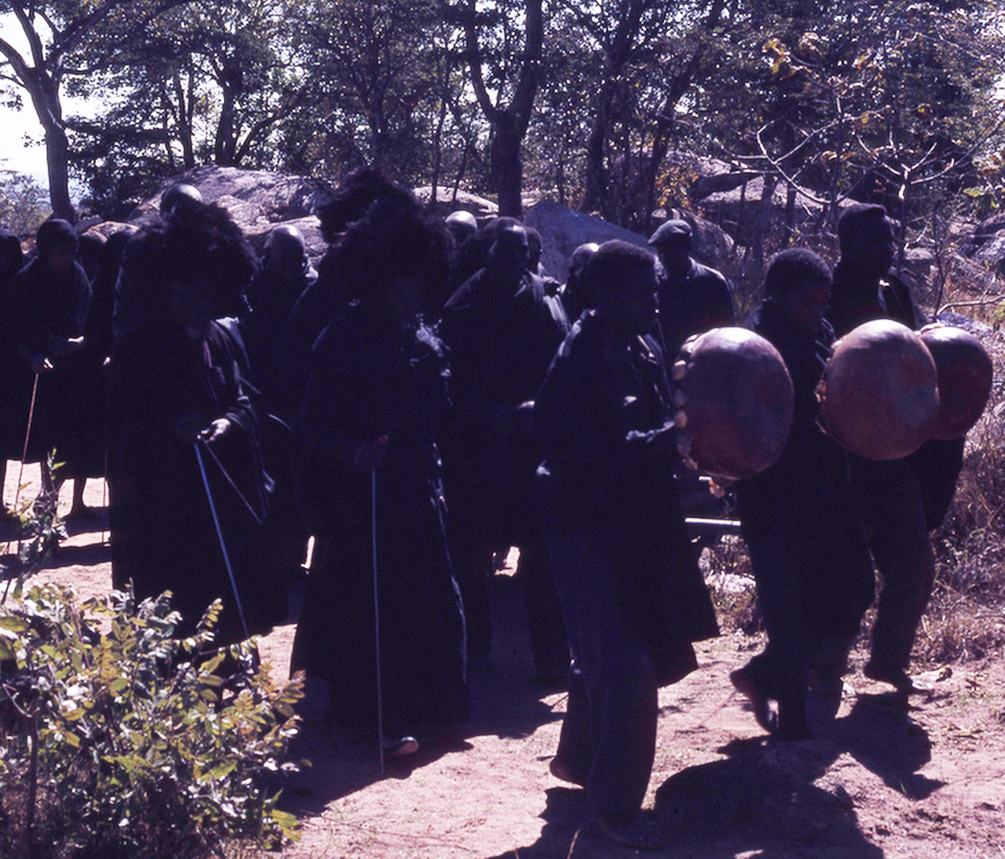
Mbira is also required at death ceremonies, and is traditionally played for a week following a chief’s death before the community is informed of his passing. At the kurova guva ceremony, approximately one year after a person’s physical death, mbira is used to welcome that individual’s spirit back to the community.
In previous centuries, court musicians played mbira for Shona kings and their diviners. Although the mbira was originally used in a limited number of Shona areas, today it is popular throughout Zimbabwe. Aside from its religious context, mbira is desired for the general qualities it imparts: peaceful mind and strong life force.
Role of the mbira player
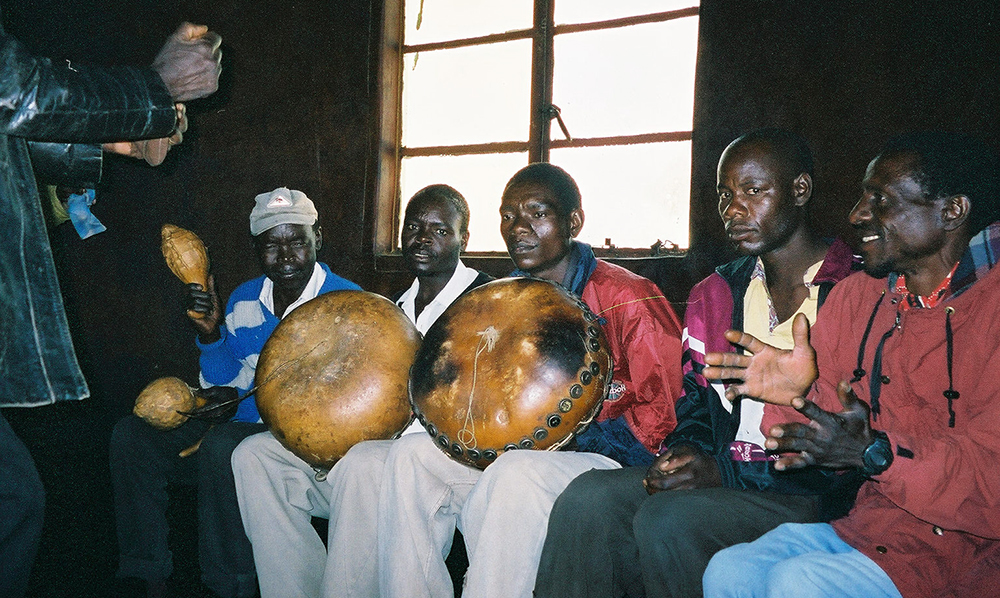
To be a gwenyambira, a professional mbira player accepted by the ancestor spirits to play at their ceremonies, is a role of service. When called at 3 am to come play mbira at a ceremony where other players have failed to bring the spirit called, the gwenyambira must go. Humility is required, as the gwenyambira is merely a tool of the spirits, who enable him/her to play their music for them. Ego about one’s playing ability is not allowed – such an insult to the spirits could result in the musician partially or completely losing the ability to play mbira.
Historical repression
During Zimbabwe’s colonial period (when it was known as Southern Rhodesia and then Rhodesia), missionaries taught that mbira was evil, due to its association with ancestor spirits. Thus, that period saw a decline in the popularity of mbira in due to repression of traditional religion. Since independence in 1980, mbira has enjoyed a resurgence of popularity, and is now considered the national instrument of Zimbabwe.
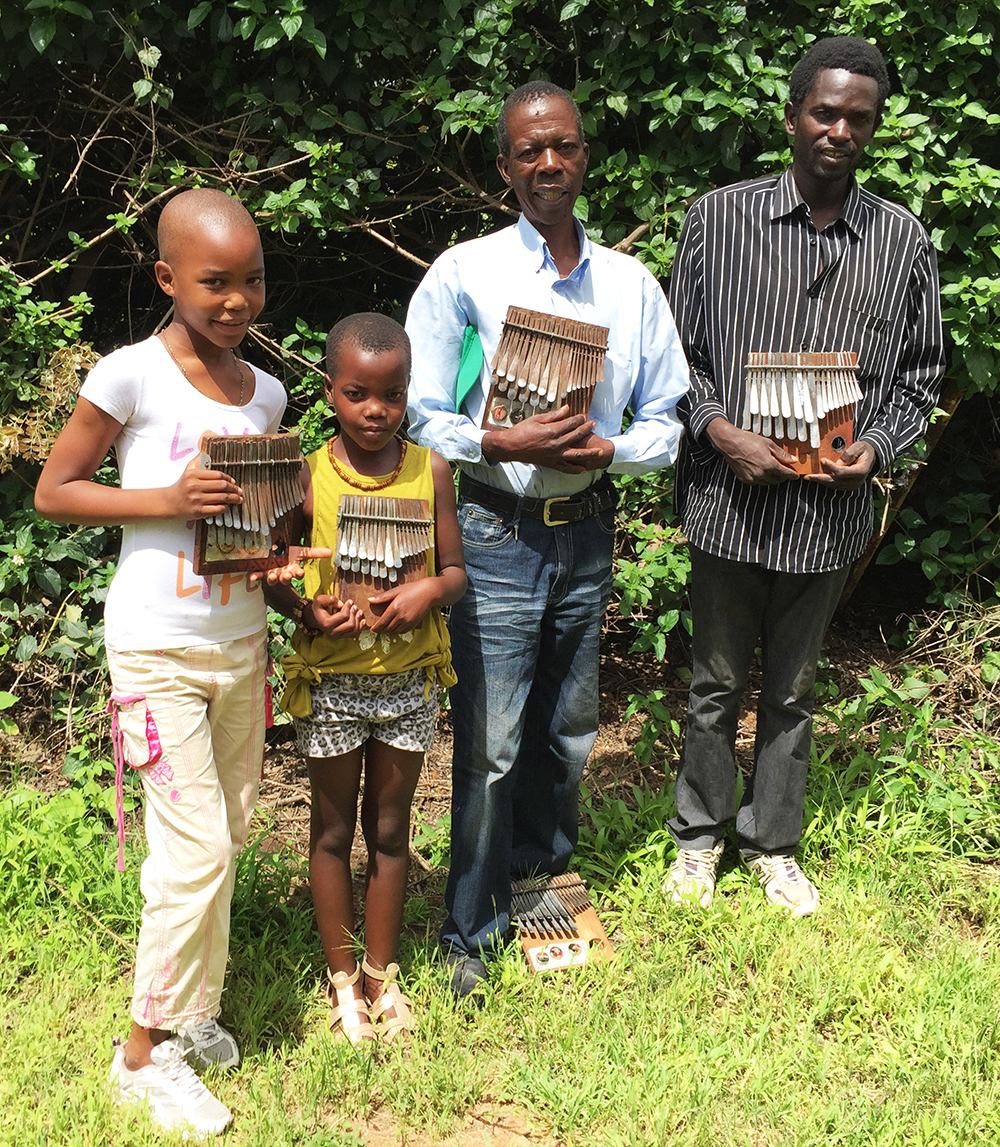
Mbira today
The Shona mbira is becoming known around the world, due to tours by both traditional and non-traditional mbira players, Zimbabwean electric bands which include the instrument, and organizations such as MBIRA.
In Zimbabwe, traditional musicians remind their communities that mbira is played to encourage the spirits which protect the land and people of Zimbabwe – neither mbira nor the spirits should be neglected if Zimbabweans wish to enjoy health and prosperity. Traditional ceremonies continue to this day, though not all Zimbabweans participate in them.
While the vast majority of Shona mbira players have been men, today more and more women and girls are playing.
Types of mbira in Zimbabwe
This website primarily addresses the most commonly played mbira of the Shona people, called by some academics ‘mbira dzavadzimu’ (mbira of the ancestor spirits). It may also be called ‘mbira dzemhondoro’, ‘mbira dzemidzimu’, ‘mbira huru’, ‘nhare’, mbira dzemakombwe’; however, it is primarily called simply ‘mbira’.
In Zimbabwe, the word ‘mbira’ is used for this type of mbira, and the same word is used for the general category of instruments with plucked metal keys on a soundboard.
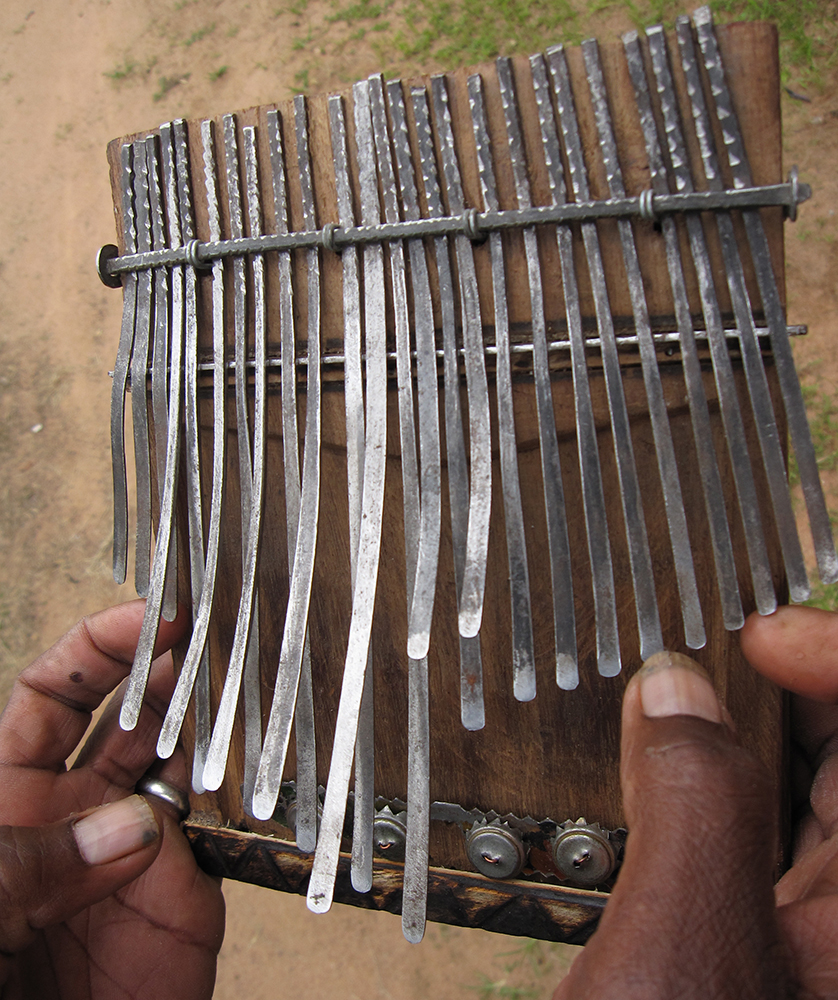
Other types of Shona mbira currently, but more rarely, found in Zimbabwe include the njari, matepe, mbira dzavaNdau, and the karimba (also called nyunganyunga or Kwanongoma mbira, developed for elementary and secondary school curriculum use at Kwanongoma College, Bulawayo, Zimbabwe, in the 1960’s).