Introduction
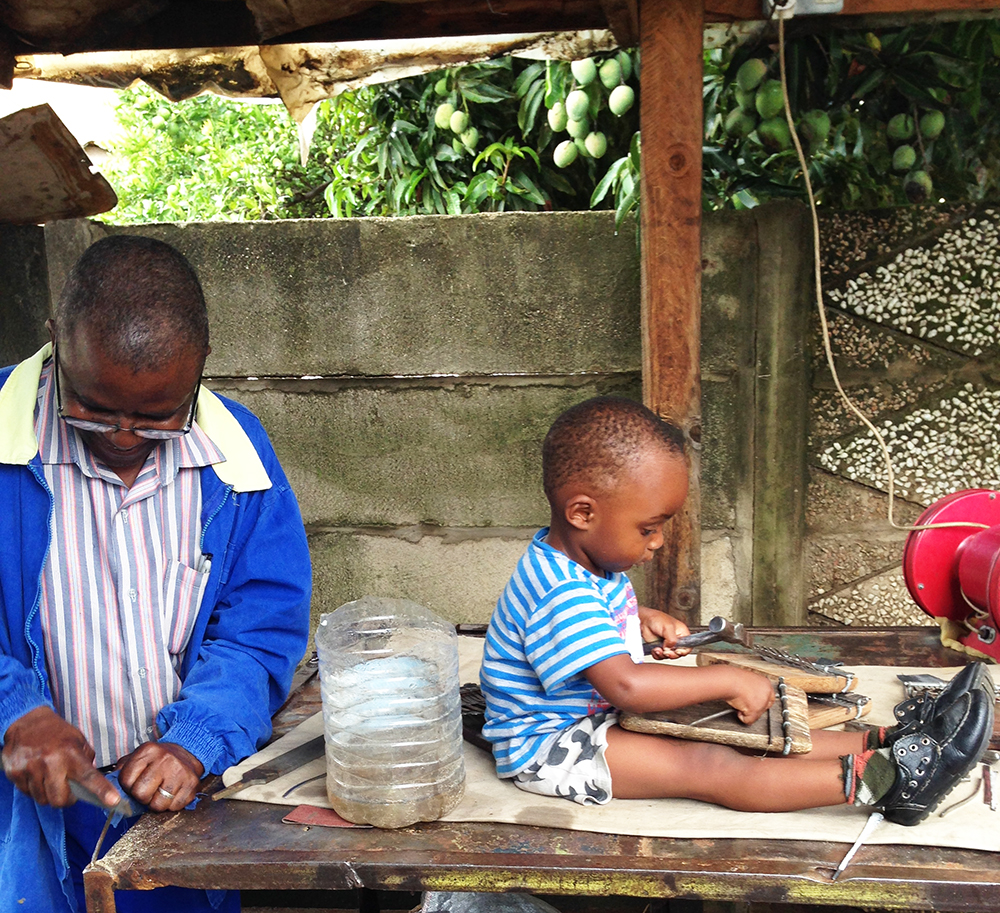
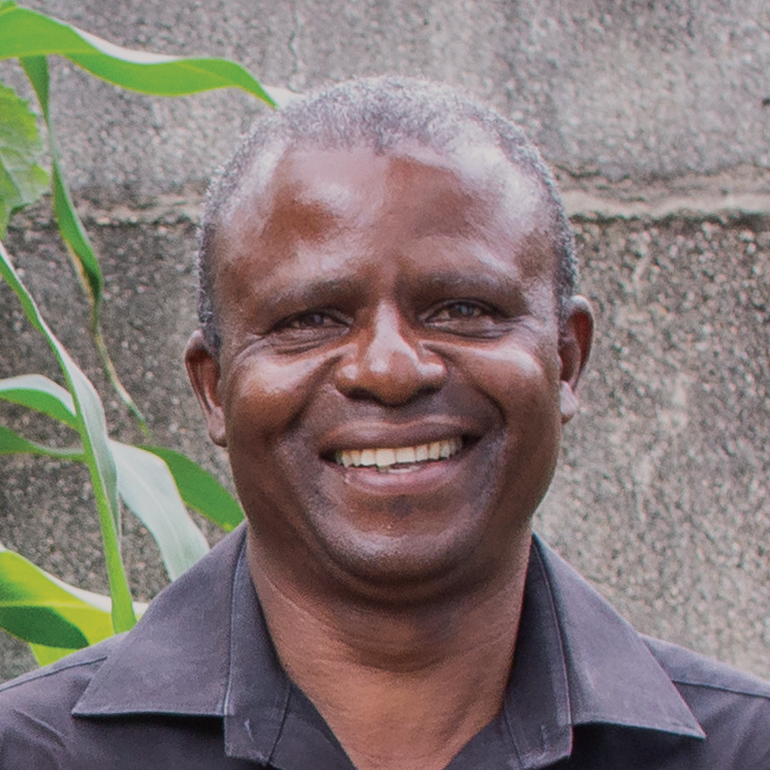
‘Mukanya’ Fradreck Mujuru, grandson of the legendary Muchatera Mujuru, grew up in the largest extended family of mbira players in Zimbabwe. Strongly drawn to the instrument as a boy, he began to play at the age of 8, later learning to build mbiras as well. Today he is considered by many to to be the greatest living mbira maker, as well as a highly respected musician. Instruments he built are now played on every continent! Mukanya toured Europe and South Africa during the 1990’s, as well as teaching and performing in the US during 7 visits since 2001, including residencies at MIT, Eastman School of Music, Grinnell College, Williams College, and the University of Michigan.
Buy a Fradreck Mujuru mbira on this website, see him at work making mbiras
Recordings Available from MBIRA
Listen to samples of Fradreck Mujuru’s many albums recorded over the past 30 years.
Videos
Biography
(written by Denver Banda based on a 2003 interview, edited and updated by Erica Azim)
Early Life
Fradreck Mujuru, of the Maungwe Clan, was born 31 October 1955, in Dewedzo, Rusape, Zimbabwe.
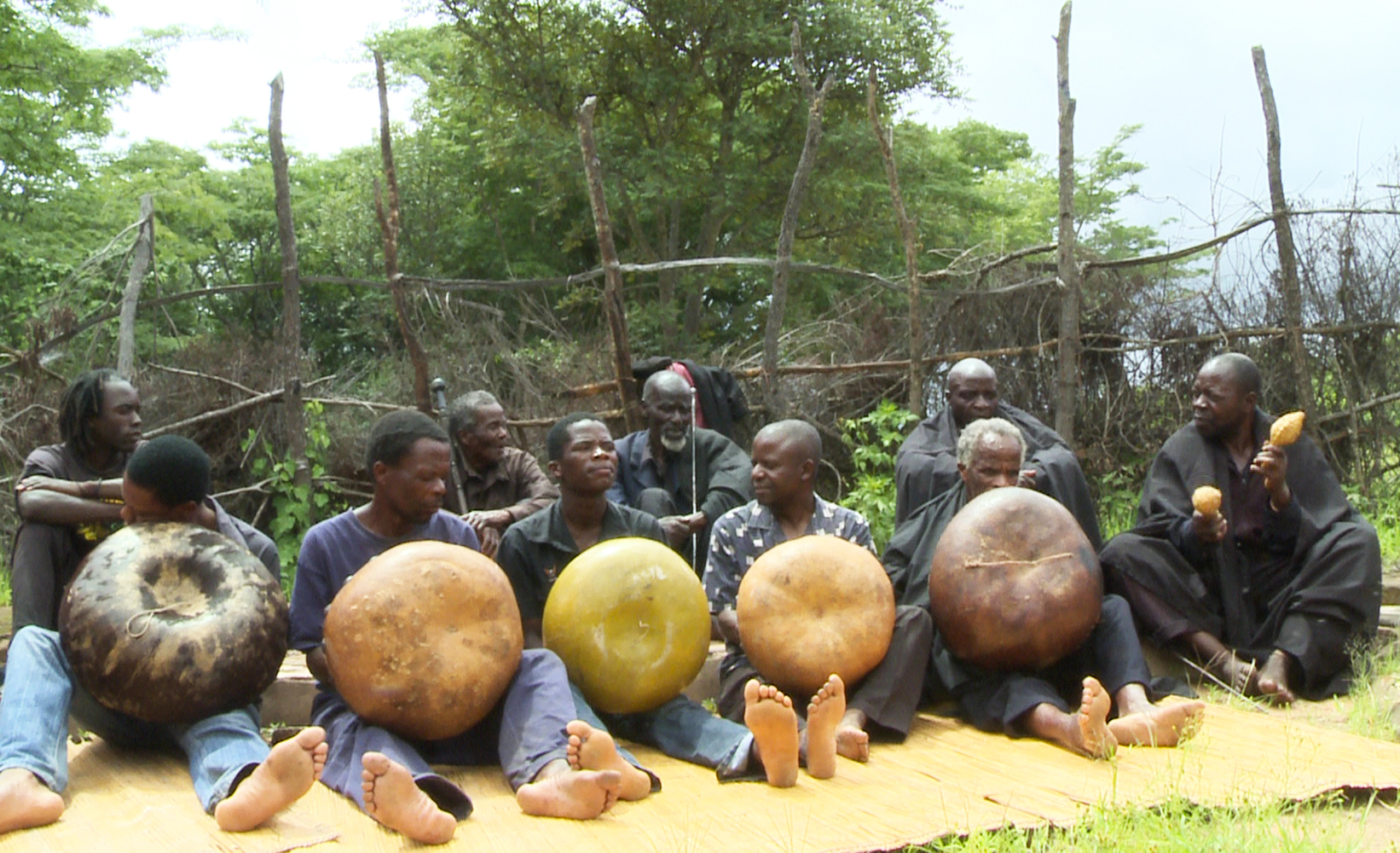
Fradreck is the second child in a family of three boys and one girl. Mujuru grew up in both the Mudewairi village of his mother, and at Dambatsoko, his father and grandfather’s village, after the separation of his parents. The environment was full of traditional rituals and rites because Muchatera Mujuru, Fradreck’s grandfather, was a revered spirit medium. The village was a melting pot where many mbira musicians came to play for Muchatera’s spirit, such that at any time of the day mbira might be heard.
Learning to Play Mbira
Mujuru grew up with a keen interest in the instrument, because it was held in high esteem. He was also motivated by what mbira music did to those who played and listened at the family’s bira ceremonies conducted by Muchatera. At the age of eight, Fradreck pestered Joseph Chidemo to teach him how to play. At first, Chidemo was not interested in teaching him, but when he saw how persistent the boy was, he began to teach him. The outcome was great approval from the elders. Instead of just fiddling around with the mbira, Mujuru began to play with a goal in mind, since good playing meant an invitation into the banya (house of ceremonies). Leonard Chiyanike was an early friend and mbira partner his own age.
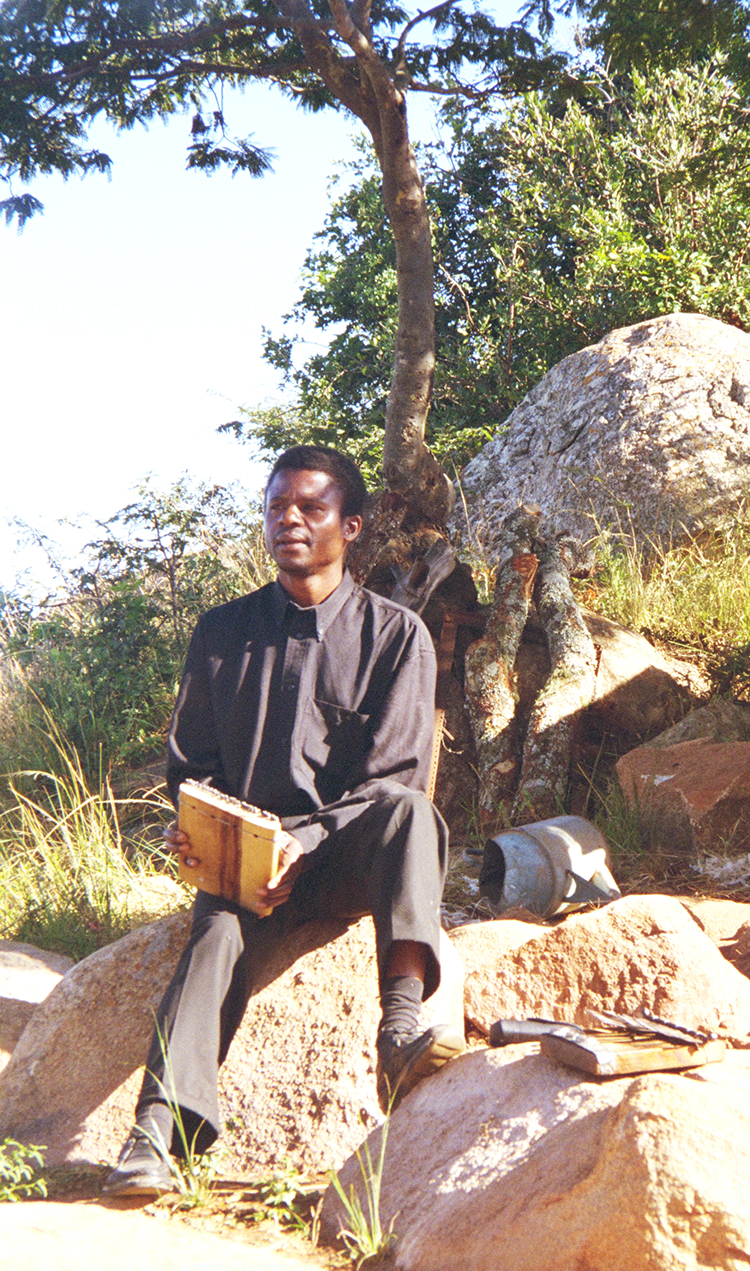
Mujuru attended elementary school at St. Theresa Catholic Mission School. At that time, the Christian establishment did not take kindly to pupils who played traditional music. Remembering the trouble that had befallen his relative Fungai, Fradreck did not disclose that he knew how to play mbira. Instead, he joined the Choral Music Club and he was an active member of the Church Marching Drums, whose music was Western-oriented.
In 1969, disaster struck. Fradreck failed to continue his education due to lack of funds for school fees. For the next two years. Fradreck worked as a general hand on the farms around the Rusape area. During his spare time, he played mbira with the musicians and rural elders who frequented the homestead of Muchatera Mujuru, as his mbira style matured. At all the ceremonies where he played, the spirits were possessed – the sign of successful mbira playing!
“Midzimu (ancestors) and the participants were so happy with our stable and homogenous playing style, to the extent of having to encore some pieces over a dozen times!”
Fradreck (often called by his chidao/clan address name ‘Mukanya’) chuckles:
“The participants would appear to be in a trance of sorts when the music was at its height, swaying in the midst of the multitude of soulful rhythms.”
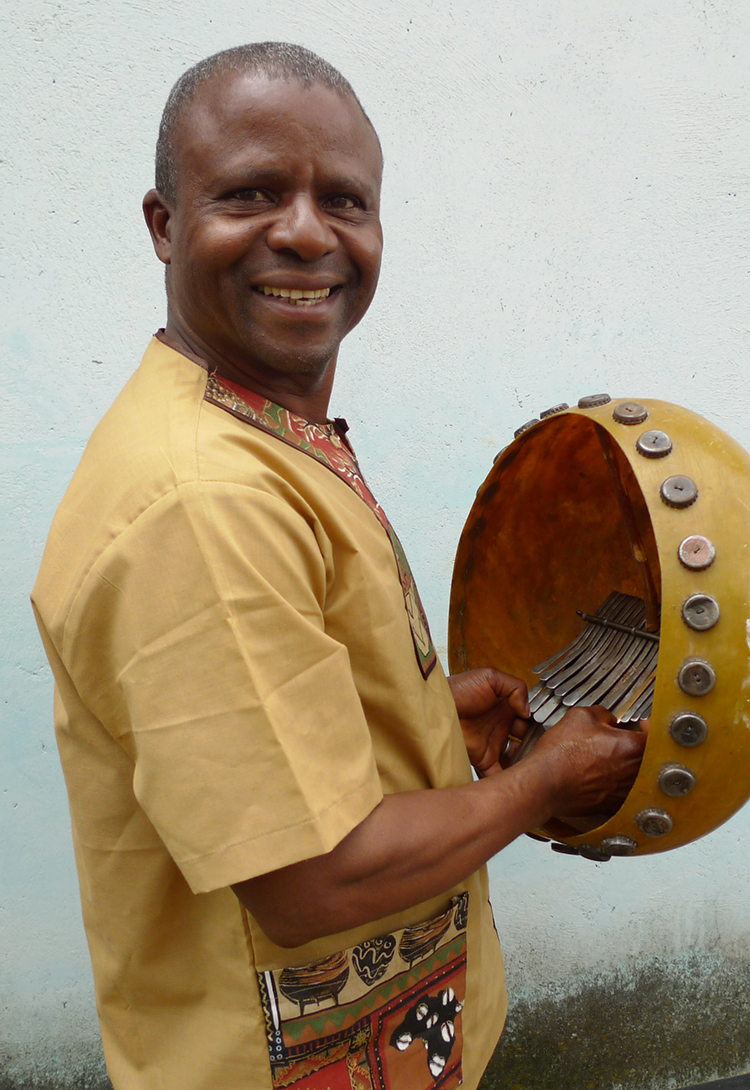
This period saw the development of Mukanya’s doctrine of mbira playing: always play the way you were taught, without adding Western instruments, without harmonizing voices…no pop music, it has to be just hosho, makwa (handclapping), mbira poetry, and the mbira itself.
In 1972, Fradreck was accepted into the prestigious circle of mbira musicians at Dambatsoko who played for Muchatera. Among them over the years were Ephat, Fungai, Samuel, Munyaradzi, Komboni, Musekiwa and Killian Mujuru; Fradreck and Cletos Manjengwa and Charles Mutwira.
The Chimurenga war of liberation was gathering momentum in rural Zimbabwe and social gatherings were closely monitored. Anything with political connotations was deemed unfavorable by the colonial establishment…this did not spare the traditional biras and dandaros (nighttime and daytime ceremonies). In the heat of the tense times, the war claimed many casualties, including Mujuru’s grandfather, Muchatera.
The young Fradreck moved to Harare (then Salisbury) in 1974, where he stayed and teamed up with his cousin Ephat Mujuru. Fradreck and Ephat built a reputation for themselves, and played ceremonies almost every weekend. At the ceremonies, Fradreck met musicians from all over Zimbabwe and expanded his repertoire. There were also mockery and jeers from peers in the city who saw the music as old-fashioned. Mukanya recalls the period as great education in terms of the mbira, and that there was no remuneration for most of their efforts — it was a hobby they pursued vigorously, and at many functions they would help the hired musicians during their rest breaks.
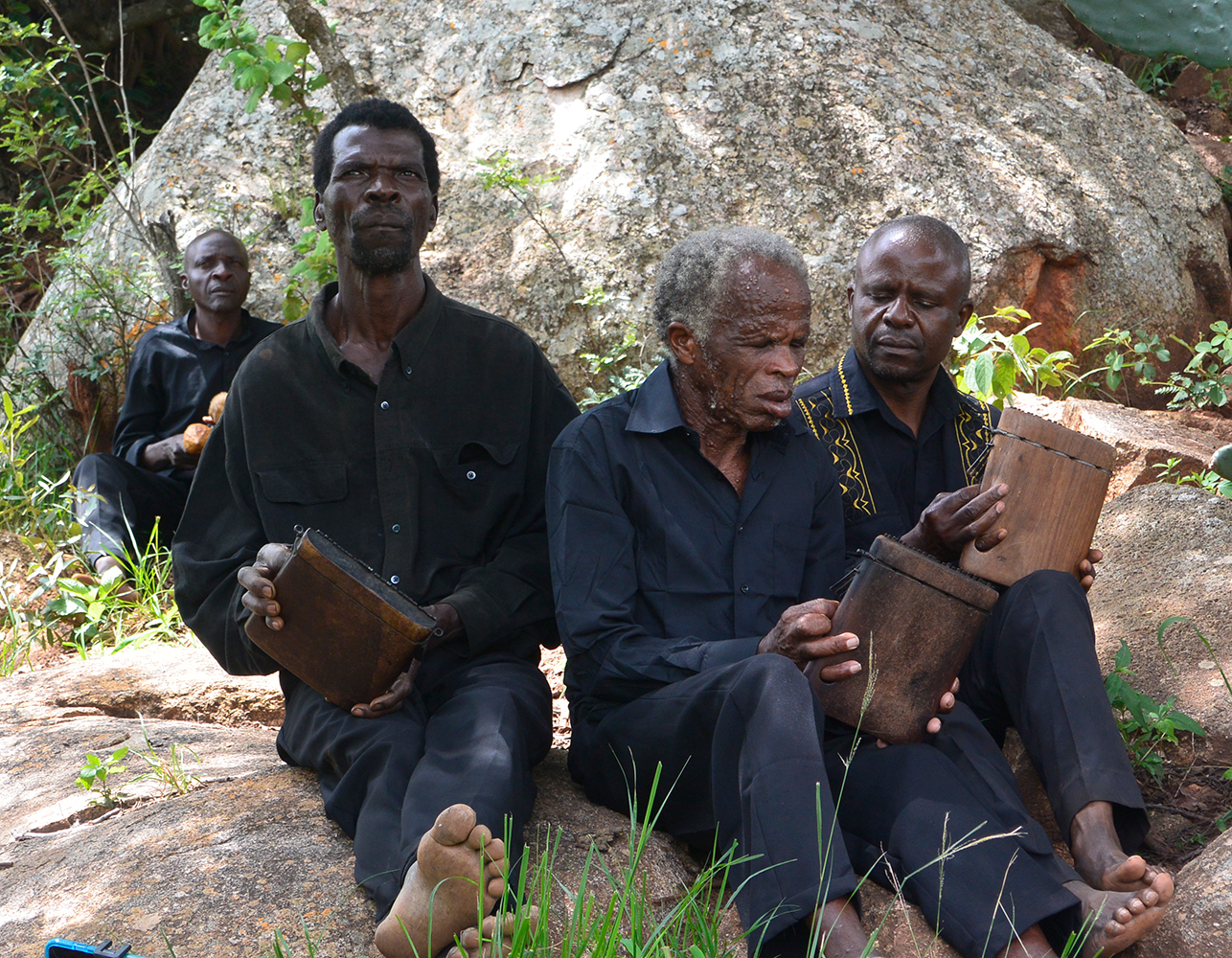
During the same year, Mujuru started correspondence school, and his hunger for education was quenched when he took courses in Junior Management and Supervisory Development at the Institute of Management. In 1978, he was working at Benk Investments, a plastic manufacturing firm, as a general hand, then was promoted to production controller. The following year he began work at the Harare Bridge Club as a waiter.
Zimbabwe’s independence in 1980 resurrected the old traditional rituals and rites that had been put on hold in the Mujuru family after the death of Muchatera. In 1982, ceremonies resumed with the guidance of Muvirimi, a mhondoro spirit that came through Alois Taonezvi Mujuru (1945-2002) and Mushawatu, who came through Patricia Manjengwa, who has been closely related to the main Mujuru family line. The revival of the annual biras was a welcome relief to many, giving them the opportunity to pray and communicate with their ancestors. Mukanya has not missed a single family bira ever since they were revived in 1982, sometimes cutting international engagements short to get home in time for family ceremonies.
In recent years, Fradreck Mujuru has developed his mbira vocals, adding heartfelt singing to the complex interwined melodies of his mbira.
Mbira Making
Fradreck got his first personal instrument from Ephat Mujuru in 1981. Before that, he was using instruments from other ensembles when they played at functions. Mukanya remembers:
“The instrument I got from Ephat blistered my fingers badly and the arrangement of the keys on the soundboard was not at all even…playing them was very difficult.”
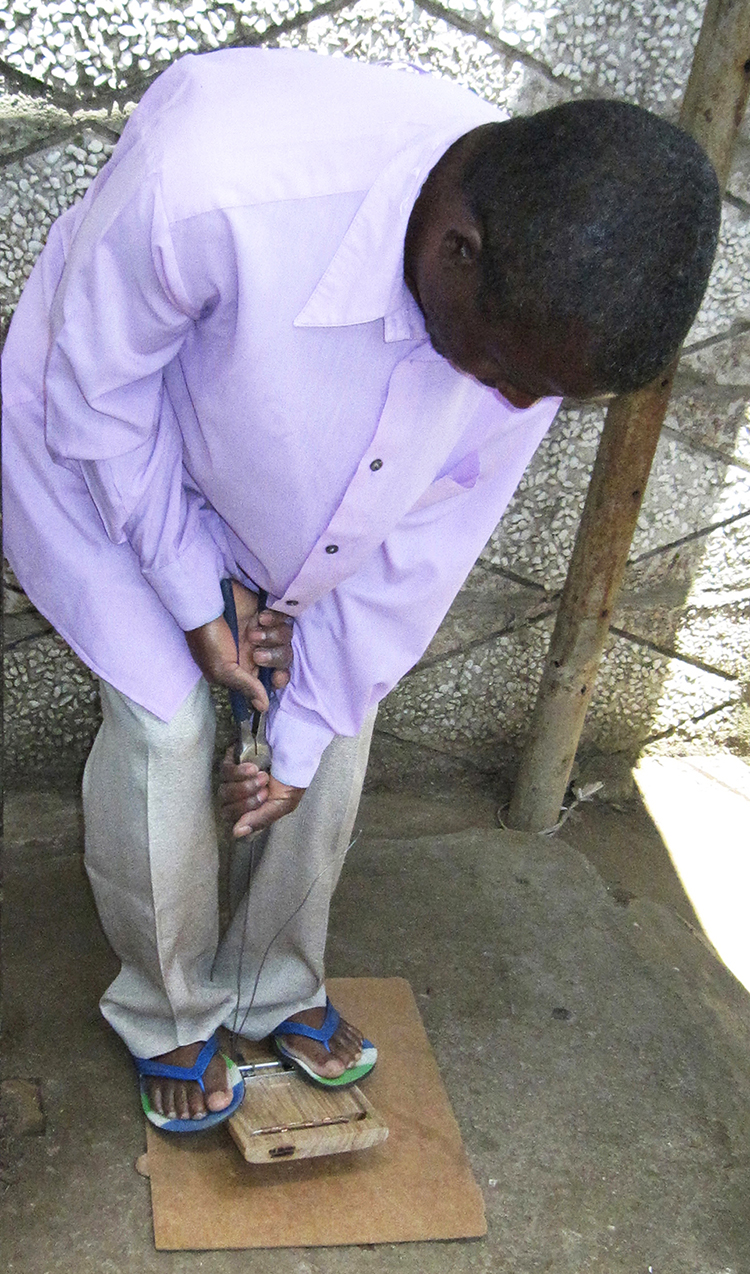
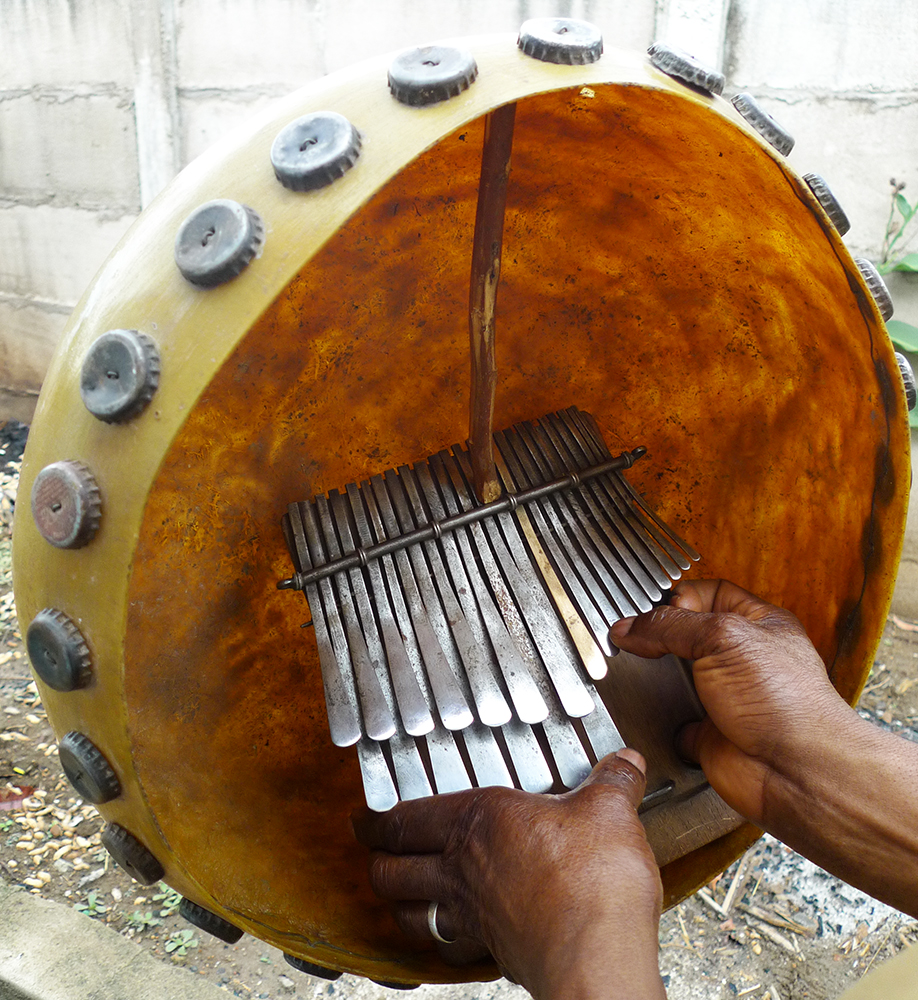
Mukanya vowed to improve on the instrument and inspiration for this came from the recurring dreams of his late grandfather. With great willpower, Fradreck apprenticed with Sekuru Gora (Thomas Wadharwa) and then Thomas Muda from Hwedza, who emphasized the need for quality instruments. The first mbira Mukanya made was not good, and he had to rebuild it four times before it was satisfactory. Mujuru began to specialize in making the mbira in Dambatsoko tuning, which has been played by the Mujurus for generations. According to Mukanya, the tuning was called “Madhebhe” at the Chitungwiza court of Chaminuka and he adopted the name “Dambatsoko” because it was the sound for his grandfather’s spirit (buried at Dambatsoko). Word quickly spread about the instruments that Mujuru was making, and his customers first came in trickles but then began to flood him with orders. He believes that the success of his instruments comes from the fact that he prioritizes sound quality, appearance and durability of the instrument.
“Mass-producing mbira only leads to low quality instruments with an unrefined sound. To me, each instrument has a special place because I make it to be a unique companion for life for its owner.”

Mukanya inspects the wood of the Mubvamaropa tree thoroughly before purchasing it for mbira making. The Zimbabwe College of Music had their set of nyamaropa tuning instruments made by Fradreck in 1989, as well as smaller karimbas. When Mujuru left his job in 1992, he turned to making mbira instruments for a living. MBIRA has helped him to make this a great success. Through proceeds of mbira sales, Mujuru has sent his children to school, including putting 3 through university, and he also helps many children in his home village to attend school. Fradreck has taught his sons, and a variety of other young people, the art of mbira making. Younger relative Killian Mujuru has been his apprentice and mbira making partner for almost 20 years.
Fradreck Mujuru’s mbiras are now world-famous, and his instruments are included in the collections of museums, as well as much loved by musicians playing them around the world.
See photos of Fradreck Mujuru and his apprentices at work making mbiras.
The Most Important Thing
The most important thing about the mbira for Mujuru is that it is a holy instrument, used to pass information to and from the ancestors and God — he preaches this to his students and anyone who loves mbira music. He reminds them that they should play the mbira and not keep it as a curio in their display cabinets.
“When I play mbira I am speaking to the ancestors. Even overseas I play for the spirits of their lands, I play for their ancestors.”
Masangano is Mukanya’s favorite song because it reminds him of his grandfather, who visited him in a dream, where he floated on a cloud walking towards his grave.
Tours and Recordings
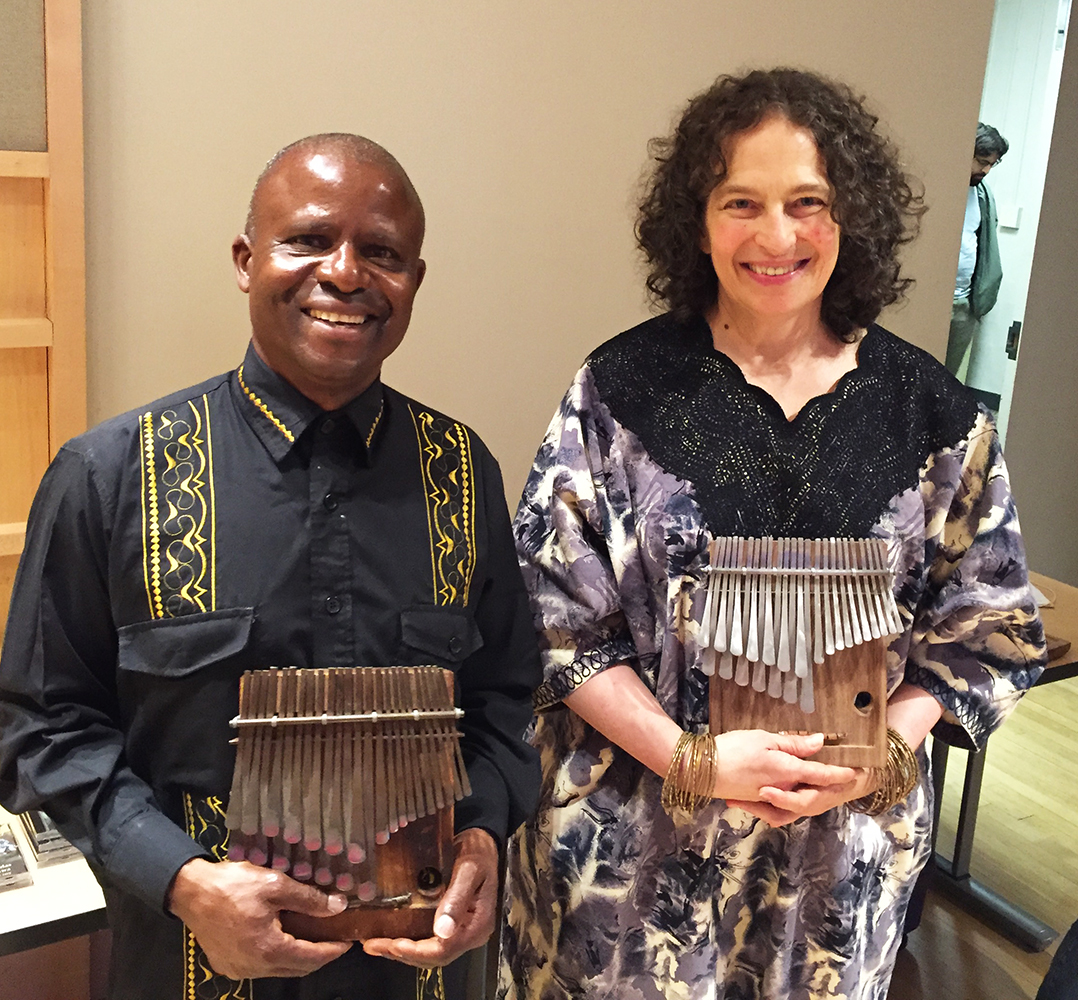
Fradreck performed on Ephat Mujuru’s Zimbabwean album, ‘Muti mukuru’, in 1988. Taruwona Mushore and the Mujuru Boys were a sensation in the early 1990’s, when he toured South Africa and Europe performing “mbira blues”.
The death of cousin Ephat Mujuru, during air travel together on the way to a 2001 US university residency, was a blow to Fradreck. “My brother (first cousin in Western culture) died of clinical complications of a pulmonary embolism!”
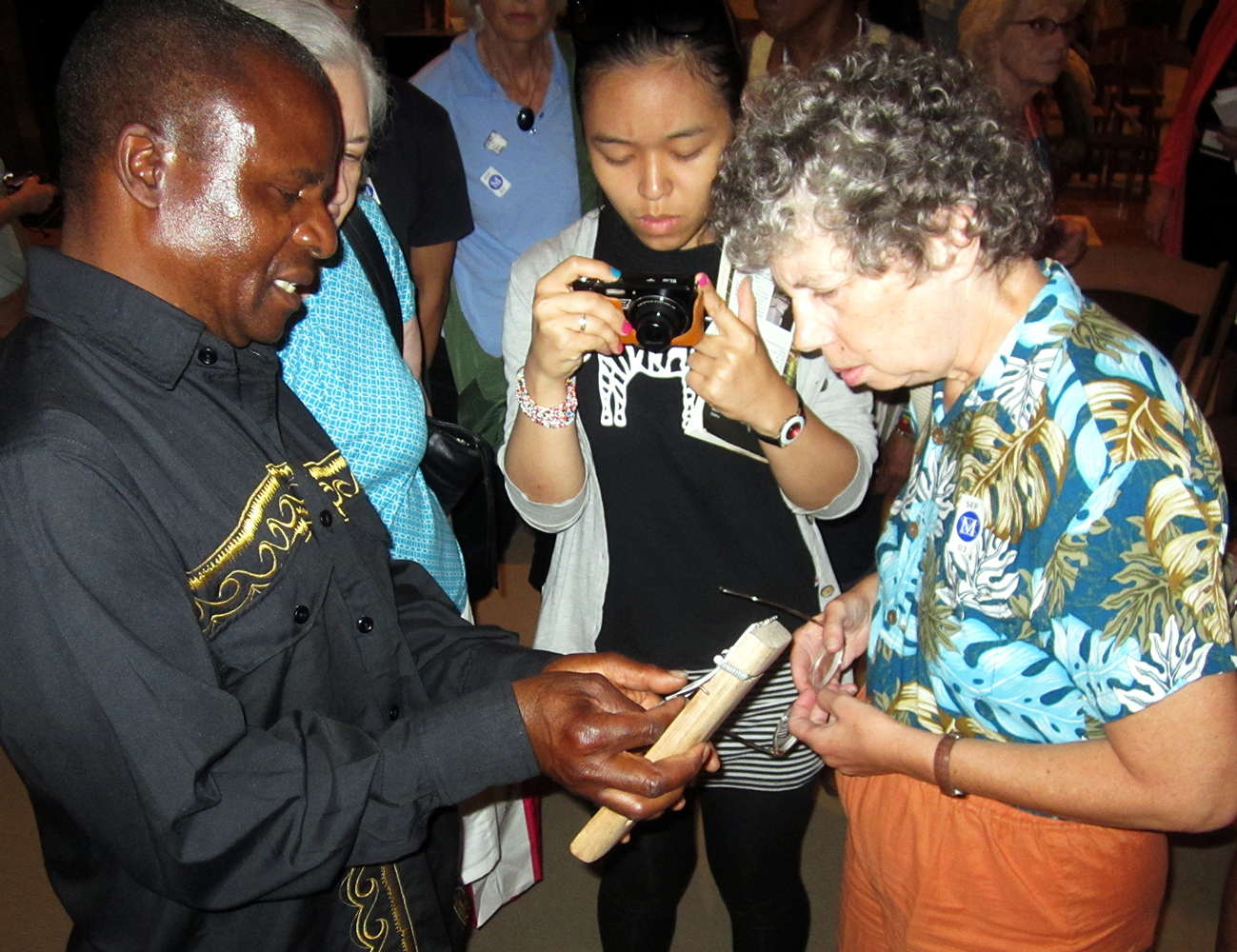
During this first U.S. visit in 2001, Fradreck and his brother Sam were artists-in-residence at Grinnell College, Iowa, and then Williams College, Massachusetts. in 2003, 2004 and 2005, Mukanya performed and taught at the Zimbabwe Music Festival in the US, as well as giving performances and workshops in California through MBIRA. During a brief 2012 US visit with brother Samuel, organized by the Kutsinhira Center in Oregon, he performed and taught at the Zimbabwe Music Festival and the University of Michigan. During 2014, Mujuru toured universities throughout the US with Erica Azim, as well as teaching an MBIRA workshop in Germany. They toured the US together again in 2016, including an mbira making residency at MIT.
In 2003, Mujuru played background mbira music for a Zimbabwean television program called ‘Chinamato Chevatema’ (‘The Prayer of the Black Man’), which looked at ways Zimbabweans prayed before the coming of the white colonists.
Right Now
At home in Zimbabwe, Mukanya has frequent foreign mbira student visitors, from around the globe. He also plays an important role in MBIRA’s activities supporting traditional music throughout Zimbabwe, including making instruments for Zimbabwean schools at cost, with support from MBIRA’s worldwide donors. He continues to make mbiras, play in traditional ceremonies, and tour internationally.
The proceeds of Fradreck Mujuru’s mbira sales and tours with MBIRA have enabled him to improve his family’s standard of living, as well as send his children to university.
Mujuru is a member of the MBIRA Board of Directors.